chrisLittle.design
Designing at the Speed of Business

this is a caption
Problem
In an ideal world, we’d follow the double-diamond process to a tee—starting with expansive research, employing first-principles thinking, and using every UX tool in the toolkit: journey maps, interviews, personas, wireframes, and iterative testing. But let’s face it—most organizations don’t operate this way. Time and budget constraints often mean the full UX process isn’t prioritized, and as designers, we adapt.
“An intutive contract management tool on par with well-known mature applications”

Sherly Sandberg
Solutuon
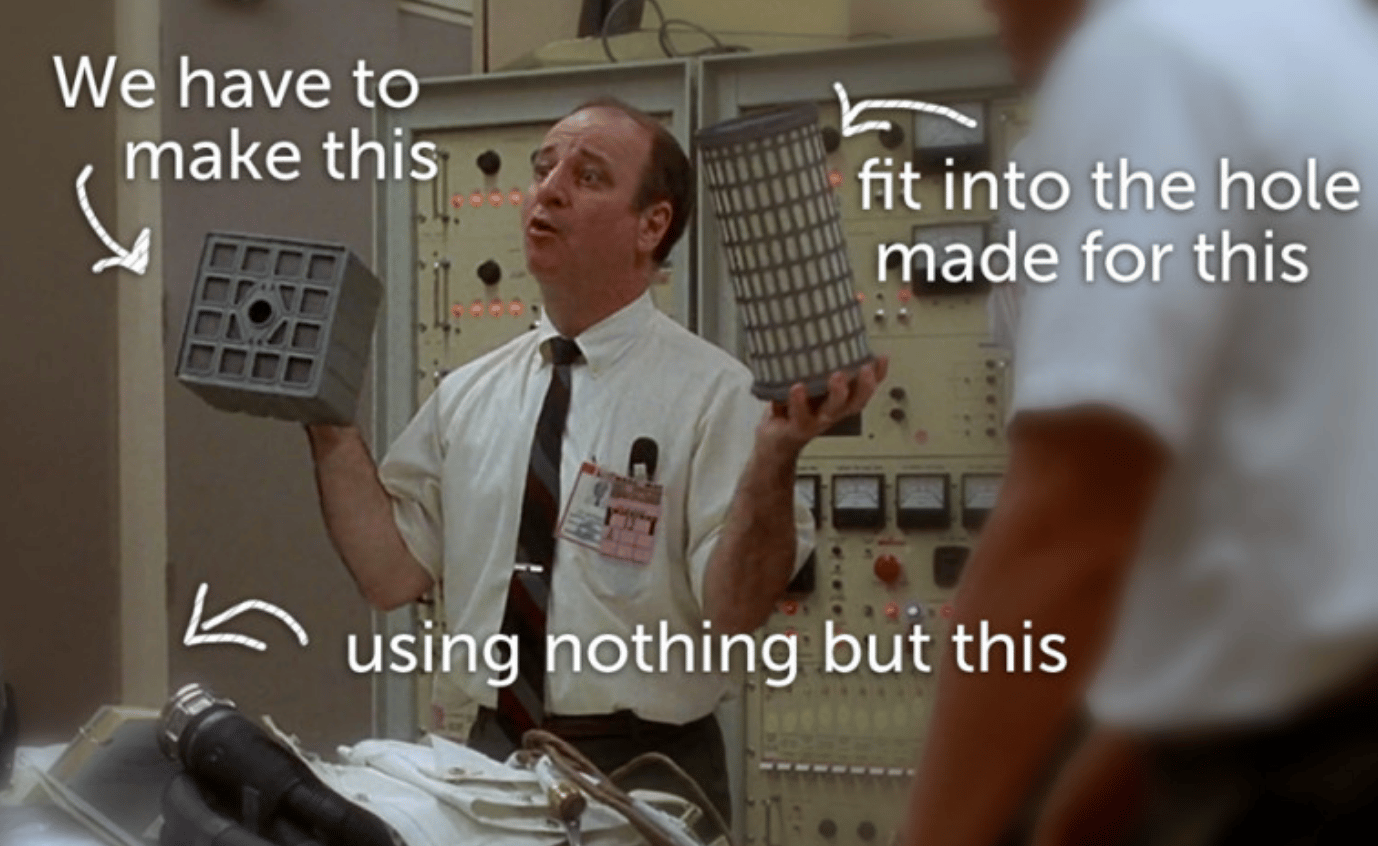
Over time, I’ve learned to become “more agile than agile.” Rather than waiting for perfect alignment or exhaustive research cycles, I focus on high-collaboration environments where designers, stakeholders, and engineers work side-by-side. Modern tools, robust design systems, and component libraries make it easier than ever to prototype in real time. Designing with stakeholders in the room—watching ideas come to life—accelerates decision-making and gets us to MVP faster.
this is a caption
Build and Learn Simulteniously
Of course, user feedback is still essential. But instead of pausing to validate every decision, I believe in collecting user data as we move. Why wait? With tools that track engagement and activation, we can validate assumptions post-launch and pivot quickly when needed.

this is a caption
Solutuon
If silos exist, break them. Get the right people in a room and co-create. We now have the tools to design fast, test quickly, and iterate meaningfully.
this is a caption
Solutuon
While UX is rooted in user advocacy, we can’t ignore business realities. It’s a hot take, but I believe business success and user success are intertwined. Growth on one side drives growth on the other. That’s why my role isn’t just to represent the user—it's to be a true partner to the business. UX is no longer a third leg of the stool. We are part of the foundation.

this is a caption