chrisLittle.design
Platform Integration
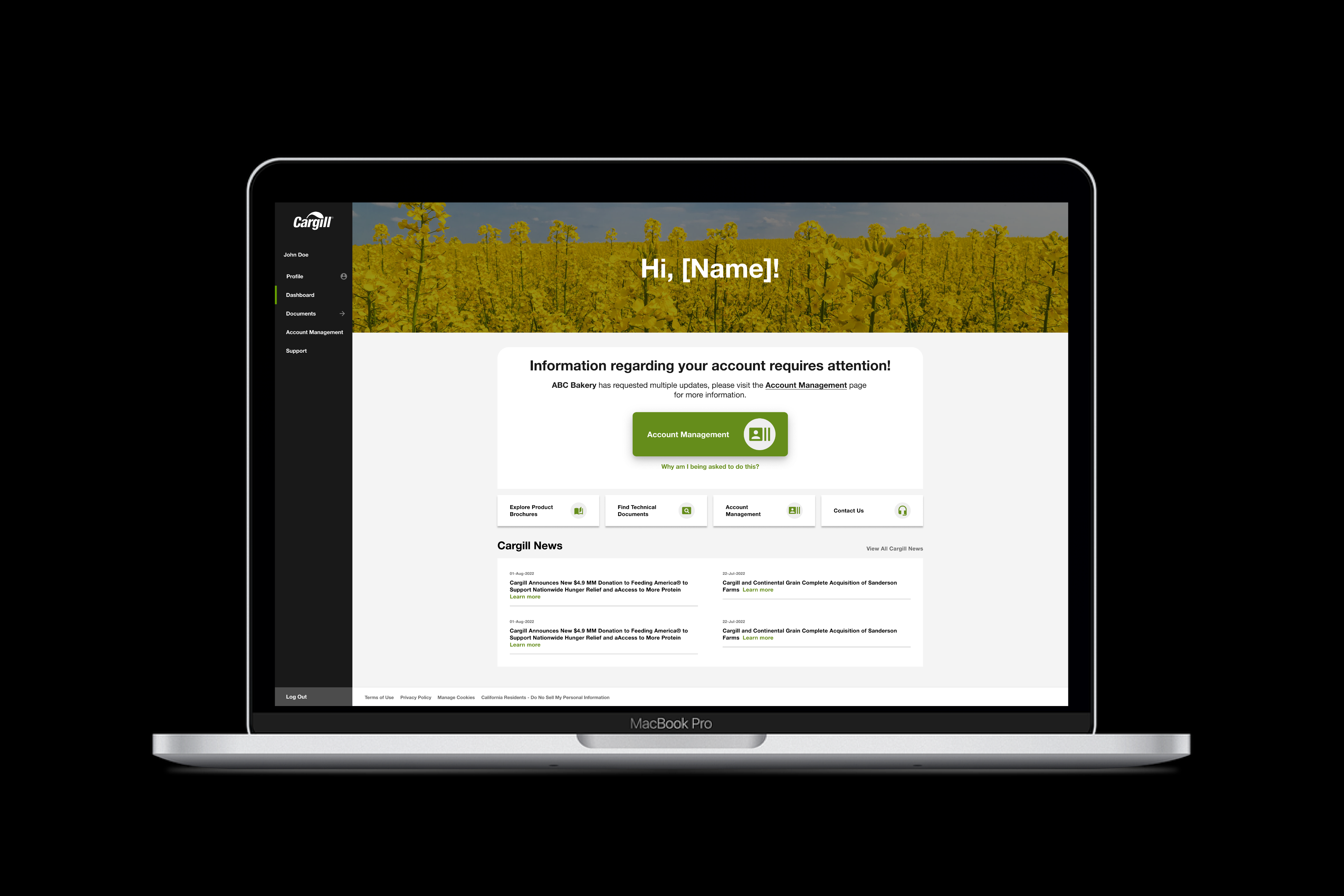
Unified two standalone digital products into a single, seamless user experience.
Role
I lead the UX design and research.
Project Overview
Aligned with new leadership goals, there's a proposition to merge two related offerings in our portfolio: a customer onboarding tool and a self-service customer portal. This integration aims to optimize efficiency, boost customer engagement, and provide a seamless user experience.
KPIs + Metrics
Using Adobe Analytics and Power BI, we tracked the time required for new users to complete the onboarding process. Following the implementation, onboarding time decreased by 25%. Additionally, annual survey responses indicated that users found the updated onboarding experience clearer and easier to navigate.
Initiating this project with a robust discovery phase was crucial. Mapping the customer journey across various domains was a novel effort, with limited cross-unit awareness. Additionally, merging two data-heavy products posed a challenge due to separate architectures. In hindsight, consulting architects for technical feasibility would have been an initial priority.
The Problem
Users indicated that the onboarding process lacked clarity, leaving them unsure of what steps to take.
The Solution
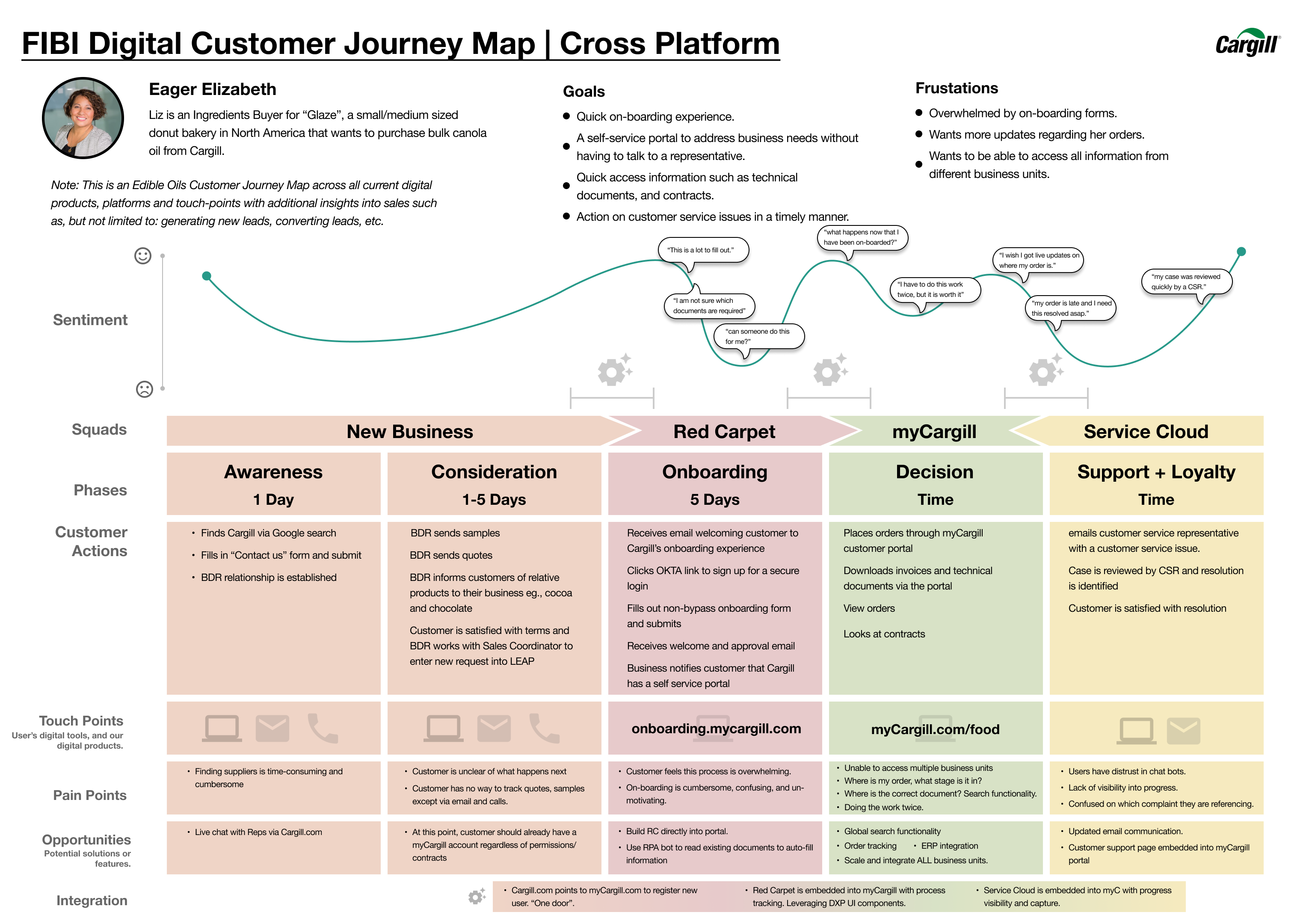
- Conduct an analysis of the existing customer journey maps and identify its current structure and pinpoint any existing gaps within this process.
- Develop a high-fidelity clickable prototype to showcase integration functionality and potential.
Research + Discovery
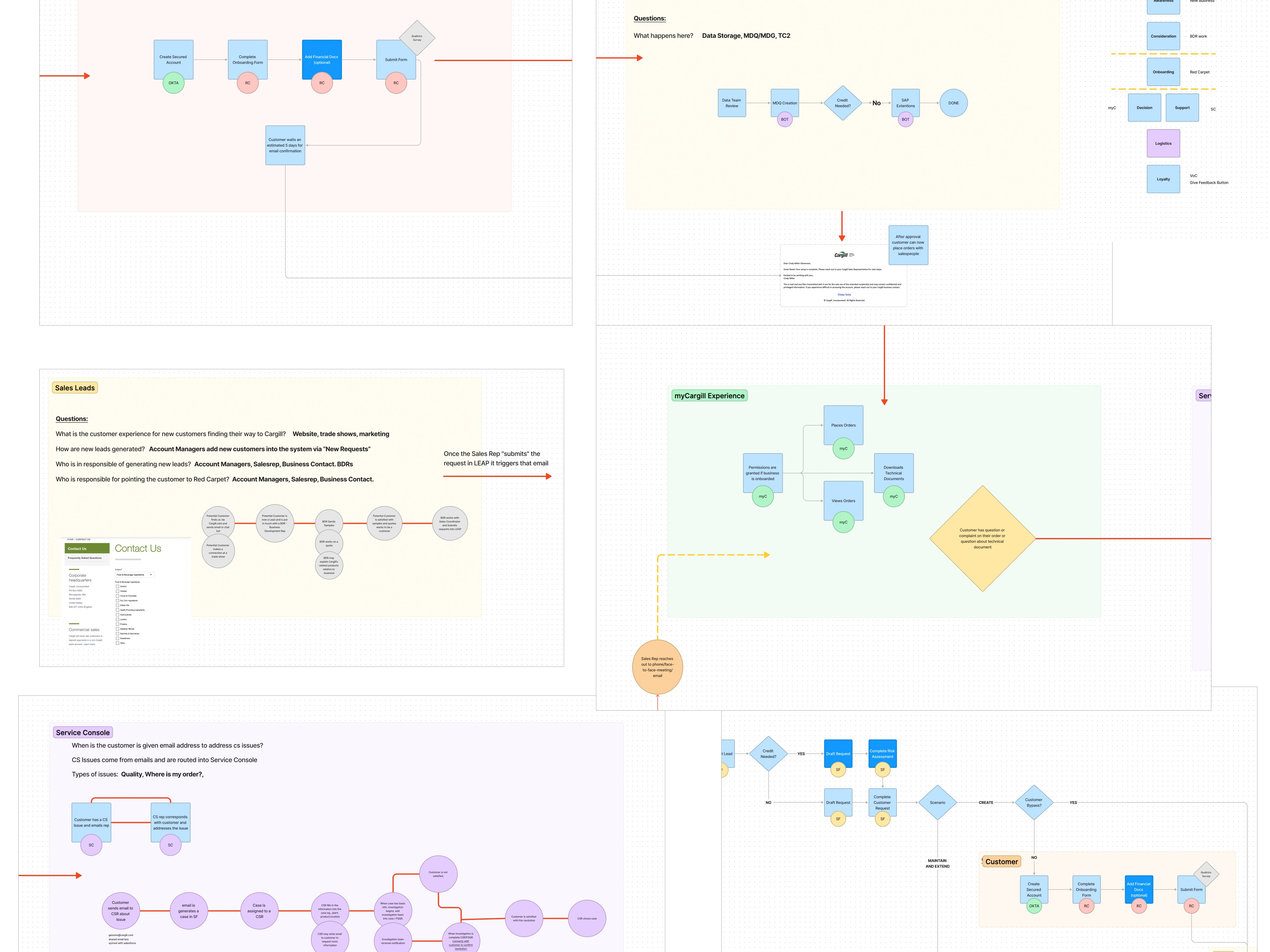
I interviewed dozens of employees in the organization to map the existing customer journeys from new leads to fully on-boarded customers with order management capabilities.
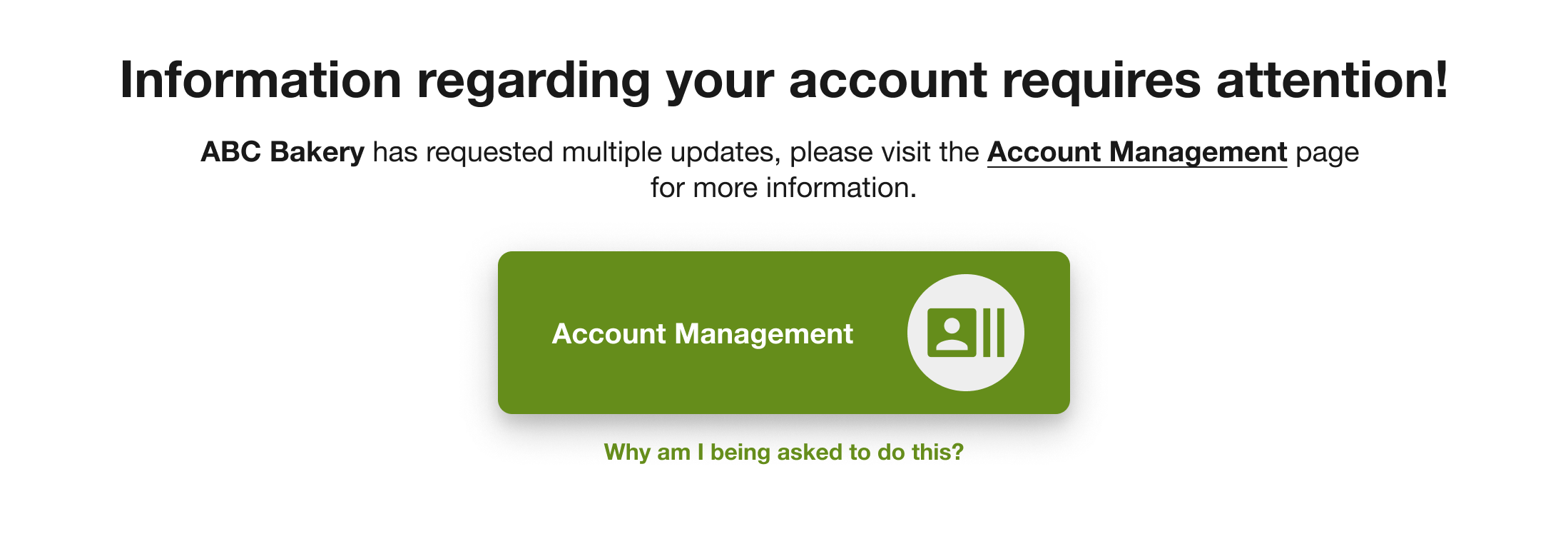
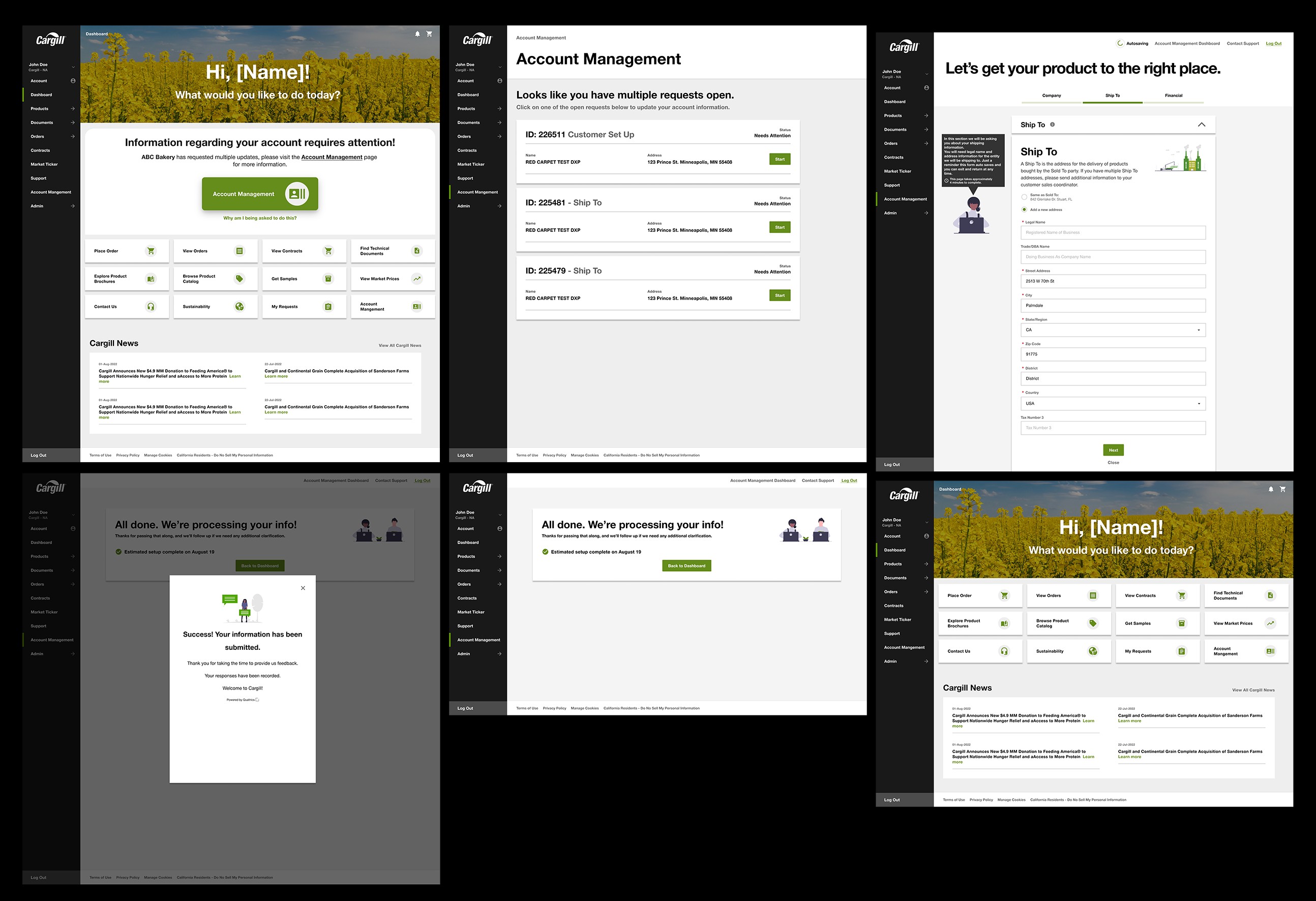
Through quick wireframing and rapid prototyping I was able to share designs with engineers and architects more frequently. This enabled regular meetings with developers to address technical feasibility alongside ongoing design work. In light of user research insights, it has been observed that customers frequently experience uncertainty during the onboarding process. To address this concern, a targeted banner application has been developed. This application makes specific API calls tailored to individual users, effectively communicating explicit instructions for the user. As a result, users now possess a clear understanding of the expected actions and the exact locations to navigate within the on-boarding process.
Data Stewardship
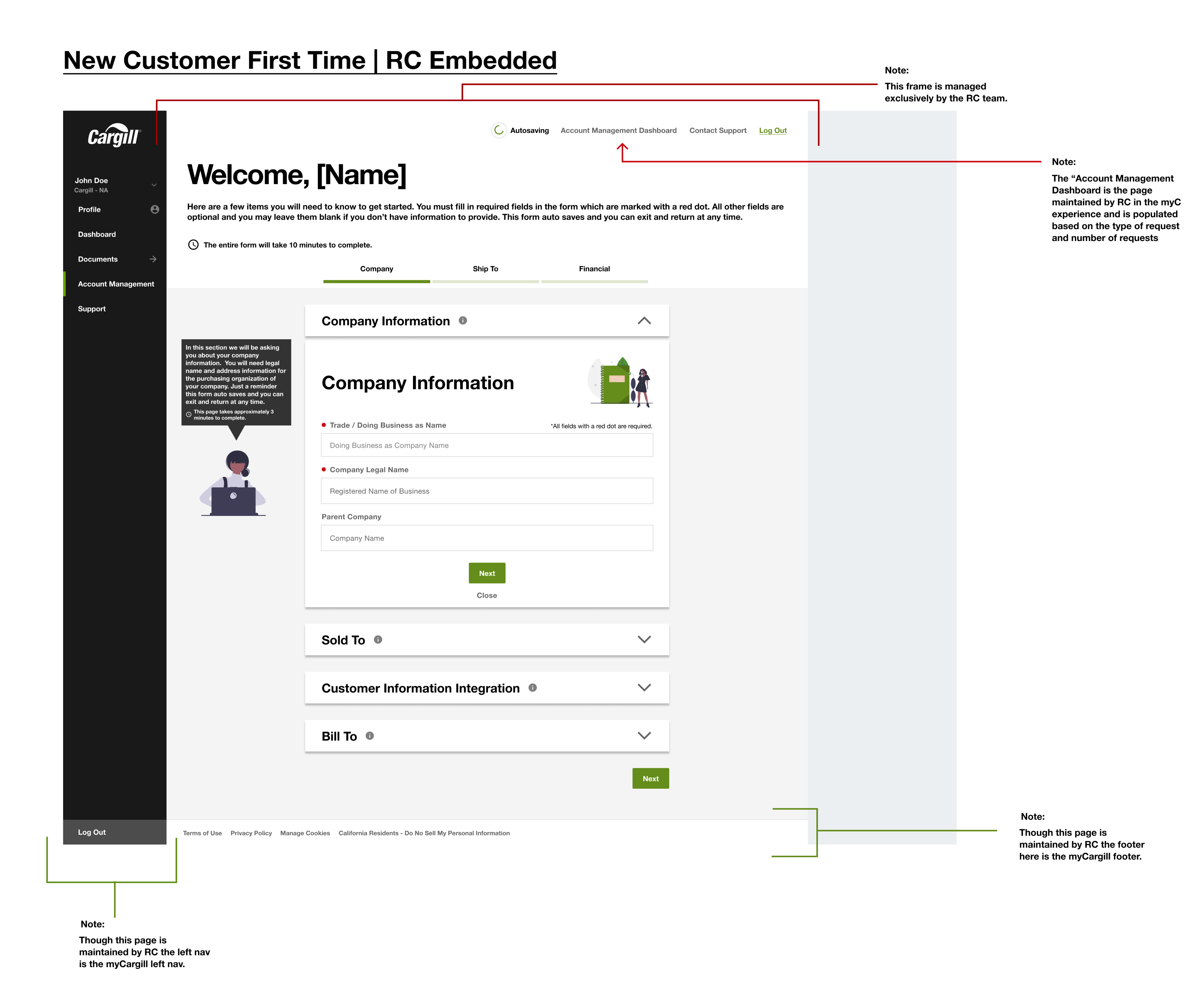
With two separate data teams and development groups, merging the data was proven convoluted. After extensive discussions, the decision was made to structure the user experience as discreet "apps." This enables original team ownership while maintaining a seamless user experience, without user awareness of the distinction.
Challenges
Achieving design consistency across two pre-existing products characterized by distinct design systems posed a critical challenge. To ensure a cohesive user experience, it became imperative to undertake a comprehensive re-skinning of the onboarding software's user interface. This re-skinning initiative was undertaken to harmonize the visual identity of the onboarding software with the integrated product, thereby facilitating a seamless and unified user experience.
Learnings
Initiating this project with a robust discovery phase was crucial. Mapping the customer journey across various domains was a novel effort, with limited cross-unit awareness. Additionally, merging two data-heavy products posed a challenge due to separate architectures. In hindsight, consulting architects for technical feasibility would have been an initial priority.
Home